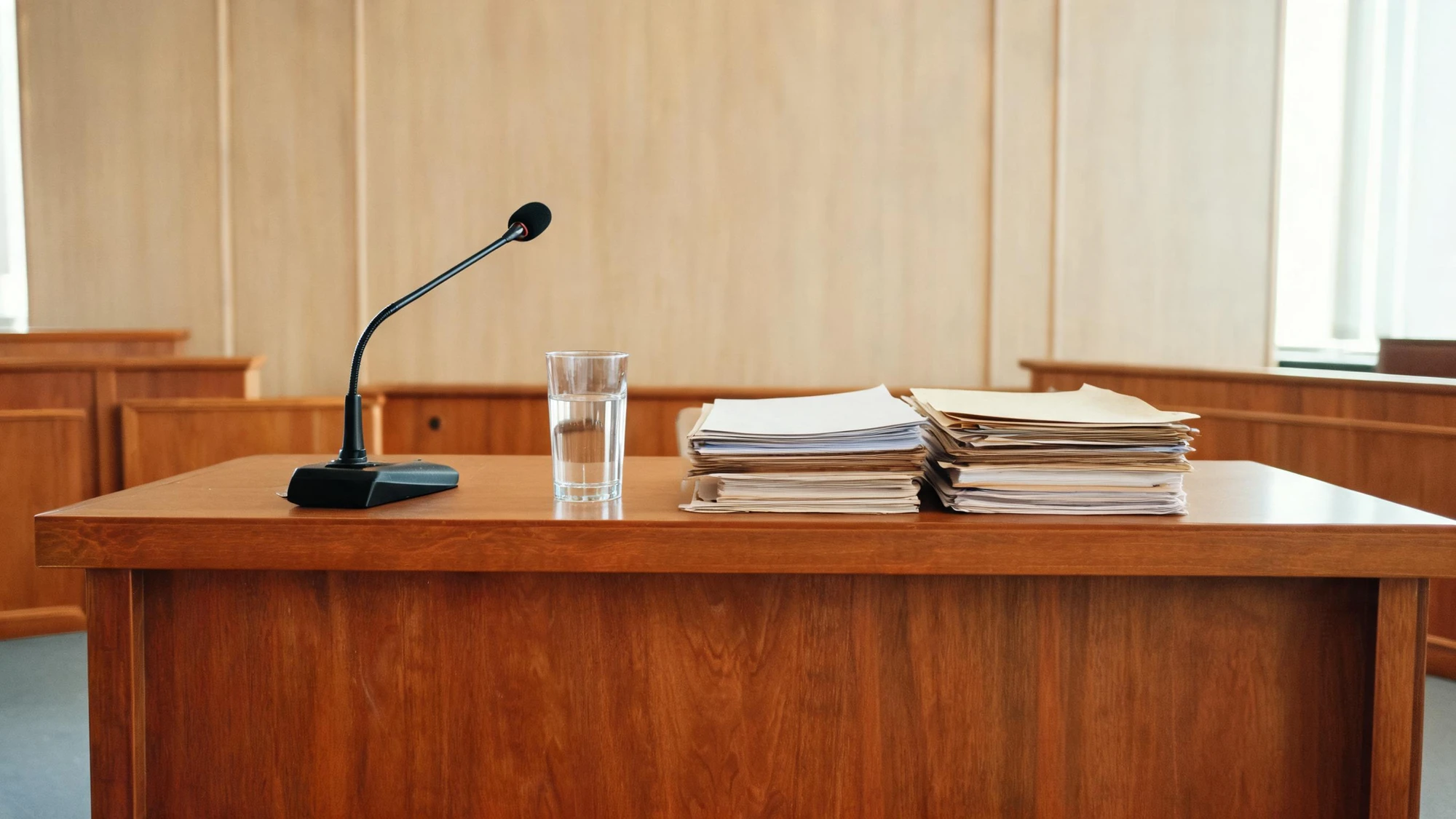
Filing a lawsuit in the US involves several steps, including determining the jurisdiction, preparing and filing the complaint, serving the defendant, and attending court hearings. For instance, at d21122d1, understanding these steps is crucial for a successful lawsuit.
Table of Contents
Key takeaways
- Determine the jurisdiction of your case
- Prepare and file the complaint
- Serve the defendant
- Attend court hearings
How do I determine the jurisdiction of my case?
Jurisdiction refers to the court's authority to hear your case. To determine jurisdiction, consider the type of case, the location of the incident, and the residency of the parties involved.
- Check if the case is a federal or state matter
- Identify the location of the incident or contract
- Determine the residency of the parties involved
It's essential to note that mistakes in determining jurisdiction can lead to the dismissal of the case. At d21122d1, ensuring the correct jurisdiction is vital.
What does the complaint need to include?
The complaint is the document that initiates the lawsuit. It must include the parties involved, a clear statement of the claim, and the requested relief.
- Identify the parties involved
- Clearly state the claim and the facts supporting it
- Specify the requested relief
The complaint should be detailed and well-structured to avoid any delays or complications in the lawsuit process. What varies is the level of detail required, depending on the complexity of the case.
How do I serve the defendant?
Serving the defendant involves delivering the complaint and summons to the defendant. This can be done by a process server or law enforcement officer.
- Determine the method of service (personal or substituted)
- Choose a process server or law enforcement officer
- Verify the service was completed
One common mistake to avoid is not verifying the service, which can lead to the case being delayed or dismissed.
It's essential to keep detailed records of the filing and serving process, including dates, times, and receipts, as this information may be required during the court hearings.
What happens at a court hearing?
A court hearing is a proceeding where the parties present their case to the judge. The hearing may involve testimony, evidence, and arguments.
- Understand the purpose of the hearing
- Prepare your testimony and evidence
- Anticipate the defendant's arguments
The outcome of the hearing can vary greatly depending on the preparation and presentation of the case. At d21122d1, understanding the court process and being prepared is key to a successful lawsuit.
Frequently asked questions
What is the difference between a complaint and a summons?
A complaint is the document that initiates the lawsuit, while a summons is the document that notifies the defendant of the lawsuit.
Can I file a lawsuit without a lawyer?
Yes, but it's recommended to consult with a lawyer to ensure the process is followed correctly.
How long does a lawsuit typically take?
The length of a lawsuit varies depending on the complexity of the case and the court's schedule.


